Claude discovers a novel enzyme system with CRISPR-like repeats
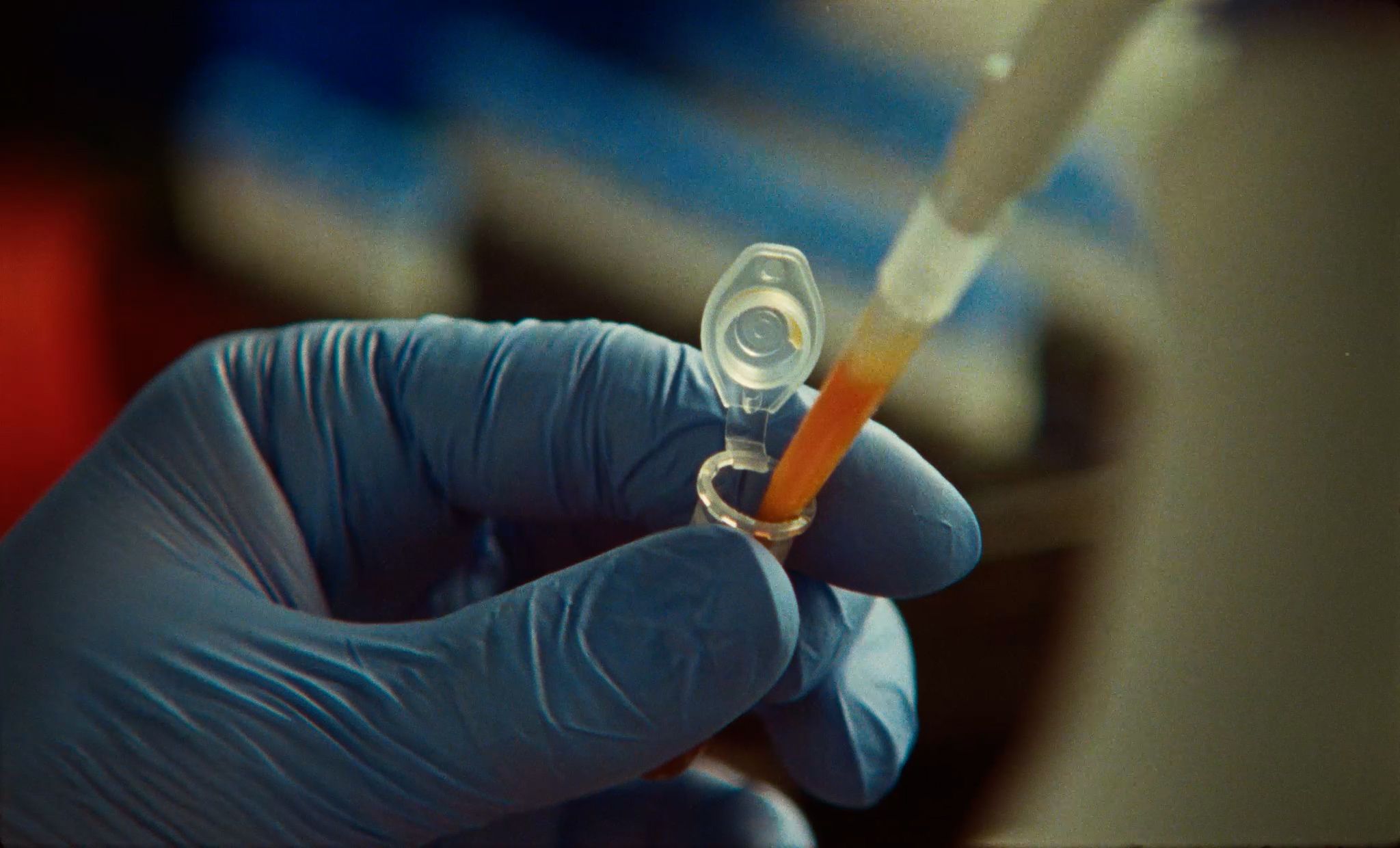
Anthropic is introducing a new life sciences research group and laboratory dedicated to fundamental biology research using Claude. The effort focuses on exploring DNA datasets to identify uncharacterized protein families, generating hypotheses at scale, and testing those hypotheses through experiments in the lab. The post introduces the team behind this work and shares early results in which Claude discovered a novel enzyme system with properties reminiscent of CRISPR, with only high-level direction from Anthropic scientists.
The work is motivated by the history of biology: many transformative discoveries began when scientists noticed something odd in nature's diversity of molecular machines. Restriction enzymes, which cut DNA at specific short sequences, were found in bacterial immune systems where they destroy invading viral DNA; researchers repurposed them to cut DNA at chosen places and splice genes between organisms, launching the biotechnology industry. Taq polymerase, which copies DNA at high temperatures, was identified in a bacterium from a Yellowstone hot spring and became the basis for PCR, a DNA-copying method used in much of modern diagnostics. CRISPR was first noticed as an unusual repeat sequence in certain bacteria and is now the foundation of gene-editing-based medicines. In spring 2026, Anthropic formed a research group to test whether general AI models can systematize and accelerate such discoveries, betting on a new way of doing biology in which agents collaborate with humans at every step; this required building a lab and a single team spanning everything from training Claude in biology to running experiments.
The early results come from one of the group's first research programs. Claude autonomously discovered a novel enzyme system associated with an array of DNA repeats, a pattern reminiscent of CRISPR. Although its function is not yet known, the system has a set of characteristics that have only ever been found together in a handful of other systems, all of which are programmable and perform operations such as cutting, copying, and pasting DNA. Beyond CRISPR, several other such systems are now in development as promising tools.
The system Claude found is based on a reverse transcriptase (RT), an enzyme that copies RNA into DNA. The underlying RT, found in a jumbo phage, had already been identified in previous studies, but Claude appears to be the first to notice the system's defining features: an associated array of non-coding DNA sequences and an additional accessory protein of unknown function. After reviewing the preprint, Feng Zhang, a CRISPR genome-editing pioneer and professor at MIT and the Broad Institute, commented on the work, starting with words that the excerpt renders as 'This is an exciting...' (the quote is truncated). The finding points to AI's potential to surface overlooked biological systems that could become programmable tools, though experimental validation and functional characterization remain ahead.